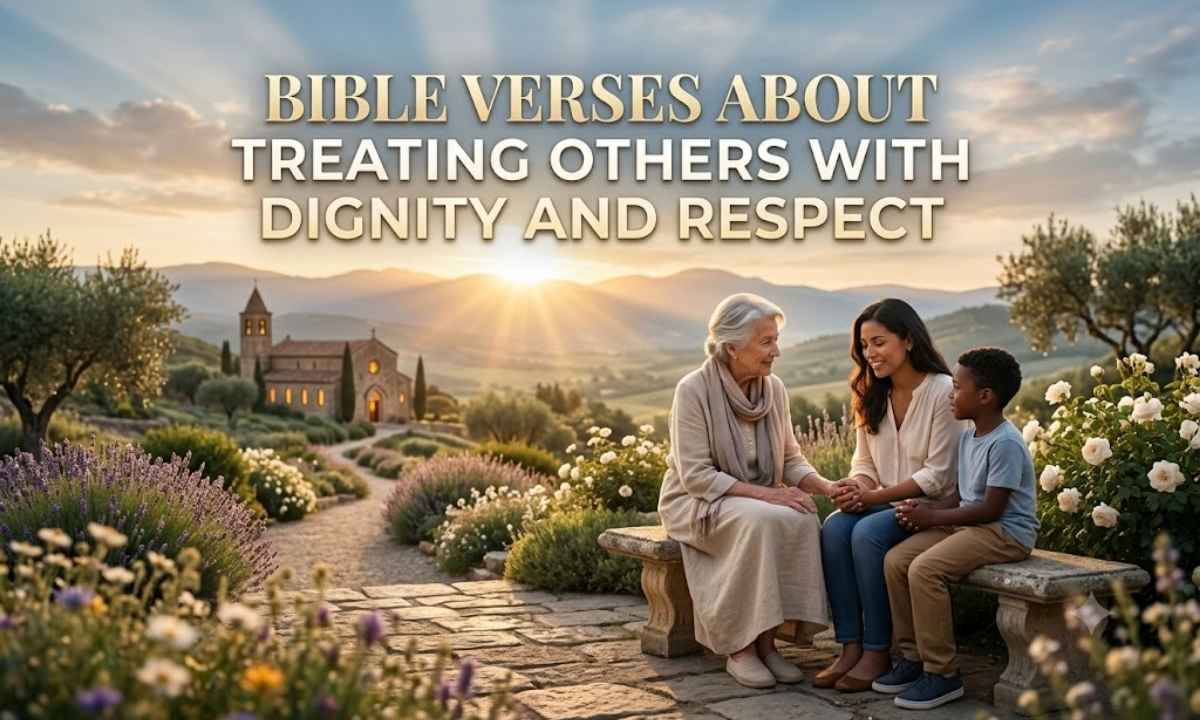
Bible Verses About Treating Others With Dignity And Respect
Respect matters in every relationship you build, whether at home, at work, or with a stranger you meet once. Bible Verses About Treating Others With Dignity And Respect remind you that kindness starts with how you speak and how you act toward the people around you. Scripture calls you to lift others up instead of tearing them down, and it never makes an exception for anyone.
This collection of Bible Verses About Treating Others With Dignity And Respect covers kindness, helping others, and honoring people you meet each day. You will find short verses perfect for quiet reflection or a quick reminder before a hard conversation. Each one points back to a simple truth: treat people the way you want to be treated, and let that truth shape your words today.
BIBLE VERSES ABOUT TREATING OTHERS BADLY
Nobody deserves cruelty, contempt, or careless words, yet people hurt each other every single day. Scripture warns against harsh treatment and calls you to walk away from spite, choosing patience instead of pride whenever tension rises.
1. Proverbs warns that harsh words stir up anger while gentle answers calm a room. Choose your tone with care, because one sentence can heal a wound or open a new one entirely.
2. James reminds you that the tongue can bless and curse in the same breath. Guard your speech so it builds people up rather than tearing down someone’s confidence or dignity.
3. Ephesians tells you to get rid of bitterness, rage, and slander completely. Replace those habits with kindness and a willingness to forgive, even when forgiving feels undeserved or unfair.
4. Colossians instructs you to clothe yourself with compassion, humility, and patience toward everyone. Bearing with one another matters more than winning an argument or proving a point.
5. Romans says never repay evil with evil, no matter how badly someone has treated you. Live at peace with others as much as it depends on your own choices.
6. Matthew records the golden rule plainly: treat others the way you want to be treated. That single sentence covers almost every situation where cruelty tempts you instead.
7. Galatians warns against biting and devouring one another through gossip or constant criticism. Instead, serve each other humbly and let love guide every difficult interaction you face.
8. 1 Peter calls believers to live in harmony, showing sympathy and humility toward one another. Never repay insult with insult, but offer a blessing in its place.
9. Leviticus commands fair treatment for neighbors and strangers alike, without partiality or hidden favoritism. Justice and kindness were never meant to be optional or convenient.
10. Psalms describes the wicked as those who plot against the innocent and mock the weak. Choose the opposite path by defending those who cannot defend themselves.
11. Luke teaches that mercy toward others reflects the mercy already shown to you. Judge less, forgive more, and watch relationships soften instead of hardening further.
12. 1 Corinthians reminds you that love keeps no record of wrongs and never delights in evil. Let that definition of love correct how you treat difficult people.
SHORT BIBLE VERSES ABOUT KINDNESS

Kindness rarely needs a grand gesture to matter deeply. A short verse, remembered at the right moment, can soften a hard heart and turn an ordinary day into something meaningful.
1. Ephesians says be kind and compassionate, forgiving each other just as God forgave you first. Kindness becomes easier once you remember how much grace you have already received.
2. Proverbs calls kindness a tree of life that brings healing wherever it grows. A single kind word can outlast an argument and repair what harsh words once broke.
3. Colossians urges you to clothe yourself with kindness, humility, gentleness, and patience daily. These traits work together, and none of them stand strong completely alone.
4. Galatians lists kindness among the fruits of the Spirit, alongside love, joy, and peace. Growing in kindness is slow work, but the harvest changes everything around you.
5. 1 Thessalonians encourages believers to always pursue what is good for each other and everyone else. Kindness should never be reserved only for people who deserve it.
6. Proverbs says a kind person benefits themselves, while cruelty brings trouble back to its source. What you give away in kindness often finds its way home eventually.
7. Titus reminds believers to be gentle and show true humility toward everyone they meet. Kindness works best when it comes without conditions attached to it.
8. Micah asks for justice, mercy, and humility, three things that rarely travel far apart. Kindness without humility can turn hollow, so let both grow together steadily.
9. Luke says be merciful just as your Father is merciful toward the whole world. Mercy is kindness given to someone who has not yet earned it.
10. Romans encourages devotion to one another and honoring others above yourself consistently. Kindness grows easily once pride steps aside and makes room for it.
11. Proverbs teaches that a gentle tongue can break even the hardest bone eventually. Soft words carry more strength than most people ever expect them to hold.
12. 2 Corinthians reminds you that God comforts you so you can comfort others too. Kindness passed forward rarely runs out; it simply keeps moving from person to person.
SHORT BIBLE VERSE ABOUT HELPING OTHERS
Helping someone rarely requires much, just a willing heart and a small amount of time. These verses show how far a simple helping hand can truly reach.
1. Galatians instructs believers to carry each other’s burdens and fulfill the law of Christ. No one was ever meant to struggle through hard seasons completely alone.
2. Hebrews reminds you not to forget doing good and sharing with others in need. Sacrifices like these please God far more than empty words ever could.
3. Proverbs says whoever is kind to the poor lends generously to the Lord himself. Helping someone in need is never wasted effort, no matter how small it seems.
4. 1 John asks how love can live in someone who ignores a brother in need. Real love shows up practically, not just through comforting words alone.
5. Philippians encourages looking not only to your own interests but also to others’ needs. Helping others often costs a little pride before it gives back peace.
6. Acts records Jesus saying it is more blessed to give than to receive. Helping others quietly rewards the giver just as much as the person receiving.
7. James says faith without action is dead, especially when someone nearby lacks basic needs. Helping others turns belief into something visible and real for everyone.
8. Proverbs says do not withhold good from those who deserve it when help is possible. Delay often turns a small favor into a missed opportunity entirely.
9. Matthew says whatever you did for the least of these, you did for Christ. That truth changes how you see every small act of help you offer.
10. Luke tells the story of the Samaritan who stopped to help a wounded stranger. Compassion crosses boundaries that fear and prejudice usually try to build.
11. 2 Corinthians speaks of equality, where those with plenty help supply what others lack. Sharing resources reflects a fairness that benefits the whole community together.
12. Romans calls believers to share with those in need and practice hospitality generously. Helping others becomes a habit once it becomes part of daily life.
TOP 7 BIBLE VERSES ABOUT HELPING OTHERS IN NEED
Needs show up everywhere, from a struggling neighbor to a friend facing an unexpected crisis. These verses highlight why stepping in matters more than staying comfortable.
1. Proverbs promises that generosity toward the poor will never leave the giver in lack. What you give away tends to return in ways you never expected.
2. Isaiah calls for sharing food with the hungry and providing shelter for the homeless. True devotion always shows itself through practical, hands-on care for others.
3. 1 Timothy instructs the wealthy to be generous and willing to share what they have. Riches were never meant to sit still while someone nearby struggles.
4. Deuteronomy commands an open hand toward the poor rather than a hardened, closed heart. Generosity was written into the law long before it became a virtue.
5. Matthew lists feeding the hungry and clothing the naked among acts that honor God directly. Small, practical help carries eternal weight in ways people rarely expect.
6. Proverbs warns that closing your ears to the poor invites your own cries to go unanswered. Compassion given freely tends to circle back when you need it most.
7. Job describes helping the fatherless and the stranger as part of a righteous life. Caring for the vulnerable was never optional for anyone claiming integrity.
8. Psalms calls blessed the one who considers the poor and helps them in trouble. God delivers that person in their own difficult day of need.
9. Luke tells believers to give to everyone who asks and not demand repayment. Generosity without expectation reflects a heart shaped by grace, not calculation.
10. James defines pure religion as caring for orphans and widows in their distress. Faith proves itself real through tangible care for the most vulnerable people.
11. Proverbs says the righteous care about justice for the poor, unlike the wicked. Justice and generosity toward the needy always walk hand in hand.
12. Ephesians tells the thief to work honestly so he can share with those in need. Even hard work finds its purpose in helping someone else.
EPHESIANS 4:32
Ephesians 4:32 packs kindness, compassion, and forgiveness into one short and unforgettable sentence. Its simple wording makes it easy to remember during a tense or difficult moment.
1. Be kind to one another, tenderhearted, forgiving each other just as God forgave you. That single line summarizes what respectful treatment of others should always look like.
2. Kindness in Ephesians 4:32 is not a suggestion but a direct command for daily living. It asks you to choose warmth over indifference, even when it feels difficult.
3. Tenderheartedness means staying soft in a world that often rewards being cold and guarded. Ephesians 4:32 asks for a heart that still feels for other people.
4. Forgiveness anchors this verse, tying your willingness to forgive to the forgiveness you received. Holding a grudge contradicts the very grace this verse describes so clearly.
5. This verse follows a warning against bitterness, rage, and slander mentioned just before it. Ephesians 4:32 offers the replacement for every one of those harmful habits.
6. Living out Ephesians 4:32 means choosing patience before reacting in anger toward someone else. A tender response often defuses conflict faster than a harsh one ever could.
7. The verse ties personal behavior directly to how God has already treated you first. Remembering that connection makes forgiving others feel less like a burden.
8. Ephesians 4:32 works well as a short prayer before a hard conversation with someone. Asking for kindness and a forgiving heart changes the tone before words even start.
9. Compassion in this verse is active, not passive, requiring you to notice another person’s pain. Ephesians 4:32 asks for eyes that see and a heart that responds.
10. This short verse fits easily on a card, a note, or a quiet morning reminder. Its brevity makes it one of the most quoted verses on kindness.
11. Ephesians 4:32 pairs well with practicing patience, since forgiveness rarely comes without some discomfort first. Choosing both together builds stronger, more honest relationships over time.
12. Return to this verse whenever resentment starts creeping into a relationship you care about. Ephesians 4:32 offers a clear reset button for a tired, frustrated heart.
SHORT BIBLE VERSE ABOUT RESPECT

Respect shows up in small moments, like listening fully or choosing patient words. These verses remind you why honoring others reflects honoring God as well.
1. 1 Peter says honor everyone, love the family of believers, and show proper respect. Respect was never meant to be selective or reserved for a chosen few.
2. Romans calls believers to outdo one another in showing honor rather than seeking it. Respect grows when you focus on lifting others instead of yourself.
3. Philippians asks you to value others above yourself with genuine humility and care. Respect becomes real once pride steps back and gives someone else the floor.
4. 1 Timothy instructs believers to treat older men and women with the honor owed to family. Respect for age reflects a value the Bible repeats often.
5. Leviticus commands rising in the presence of the elderly and showing them proper respect. Honoring age was written into the law as a lasting expectation.
6. Proverbs connects the fear of the Lord with humility, honor, and a long, respected life. Respect for God tends to shape respect for the people around you.
7. Exodus lists honoring parents among the earliest commands given to God’s people directly. Respect at home often becomes the foundation for respect everywhere else.
8. 1 Peter urges submission to authority and respect toward everyone, including difficult leaders. Respect is not about agreement; it is about honoring a person’s position.
9. Romans reminds believers to give respect and honor to whom respect and honor are due. Fairness in respect means noticing what someone has actually earned.
10. Malachi asks where the honor is if God is truly called Father by his people. Respect toward God should show consistently in daily words and actions.
11. Proverbs says a wise son brings honor, while foolish choices bring shame to a family. Respect often travels in both directions between generations.
12. 1 Corinthians describes love as never being rude, always considering others before itself. Respect and love overlap closely, since neither one tolerates careless behavior.
Read More: Bible Verses to Read Before Sleeping in Bed (KJV): 70+ Scriptures for Peace & Rest
BIBLE VERSES ABOUT BEING THOUGHTFUL OF OTHERS
Thoughtfulness means noticing what someone else needs before they have to ask for it. These verses encourage a mindset that looks outward instead of staying inward.
1. Philippians says look not only to your own interests but also to the interests of others. Thoughtfulness begins the moment you consider someone else’s perspective first.
2. Romans instructs believers to live in harmony and avoid being proud or self-focused. Thoughtful people make space for others instead of always needing the spotlight.
3. 1 Corinthians describes love as patient and kind, never seeking its own way constantly. Thoughtfulness often means choosing someone else’s comfort over your own convenience.
4. Ecclesiastes says two are better than one, since they can help each other up. Thoughtful support turns a hard season into something more bearable together.
5. Galatians reminds believers to do good to all people whenever the opportunity appears. Thoughtfulness does not wait for a perfect moment; it acts when it can.
6. Proverbs describes a friend who sticks closer than a brother during hard times. Thoughtfulness shows most clearly when someone else is struggling or afraid.
7. Romans encourages believers to rejoice with those who rejoice and mourn with those who mourn. Thoughtfulness matches its response to what the other person actually feels.
8. Colossians instructs speech seasoned with grace, so you know how to answer everyone properly. Thoughtful words consider the listener before considering what feels easiest to say.
9. Hebrews encourages spurring one another toward love and good deeds consistently. Thoughtfulness grows stronger inside community rather than in isolation.
10. Proverbs says plans fail without counsel, but they succeed with many good advisers. Thoughtful people value input instead of assuming they already know best.
11. 1 Peter calls believers to live in harmony, being sympathetic and humble toward each other. Thoughtfulness requires humility, since it puts someone else’s story first.
12. Matthew says whatever you want others to do for you, do also for them. Thoughtfulness simply reverses the usual question from what I need to what they need.
Caring for someone often looks ordinary from the outside, yet it carries lasting weight. These verses show how deeply care connects to a life of faith.
1. Galatians says carry each other’s burdens, since that fulfills the law of Christ fully. Caring for others is not extra credit; it is central to faith itself.
2. 1 Corinthians describes the body of believers as parts that suffer and rejoice together. Caring for others means feeling connected to their pain and their joy.
3. James says pure religion includes looking after orphans and widows in their distress. Care for the vulnerable defines genuine faith more than words ever could.
4. 1 John asks how anyone can claim to love God while ignoring someone in need. Caring for people is the visible proof of an invisible love.
5. Romans instructs believers to share with those in need and pursue hospitality eagerly. Care extends naturally into an open home and a willing table.
6. Philippians praises those who cared enough to send help during a difficult season. Caring for others often shows up through simple, practical generosity.
7. Hebrews reminds believers not to neglect showing hospitality, since it sometimes welcomes the unexpected. Care for strangers carries a value that outlasts a single moment.
8. Matthew describes visiting the sick and imprisoned as caring directly for Christ himself. Caring for the forgotten carries a significance far beyond the act itself.
9. 1 Peter urges believers to use their gifts to serve others faithfully and well. Care becomes practical the moment a gift is offered for someone else’s benefit.
10. Proverbs says the righteous care about the needs of animals, not only people. Caring well tends to reach even further than human relationships alone.
11. Luke shows Jesus stopping for the one person others walked past without noticing. Caring for others sometimes means slowing down when everyone else keeps moving.
12. 1 Thessalonians encourages comforting the discouraged and helping the weak with patience toward all. Caring for others takes patience, especially when progress feels slow.
Read More: 70+ Restoration of Lost Glory Bible Verses (KJV) for Hope, Healing & Renewal
CONCLUSION
Bible Verses About Treating Others With Dignity And Respect are more than nice words to read once and forget. They call you to a daily practice of kindness, patience, and honor toward every person you meet, including the ones who make it hard.
Return to these Bible Verses About Treating Others With Dignity And Respect whenever you need a reminder before a hard conversation or a tiring day. Respect grows through small, repeated choices, not one perfect moment. Let these verses shape how you treat the next person in front of you.